
Guide
uPVC vs aluminium windows
Aluminium has long been the usual window frame in Australian homes. uPVC is a natural insulator that's been used in European homes for decades. Here's how the two compare, and when each makes sense.
Side by side
| uPVC | Aluminium | |
|---|---|---|
| Heat through the frame | A natural insulator, so the frame itself loses little heat. | Conducts heat readily. Needs a thermal break to perform well. |
| Condensation | Inside faces stay closer to room temperature, so less moisture collects. | Cold frames can collect condensation in winter, especially without a thermal break. |
| Maintenance | No painting, no staining, no rot. Just clean the glass. | Low maintenance. Powder-coated finishes. |
| Lifespan | Built to last 40+ years. Doesn't rot, rust or warp. | Long-lasting. |
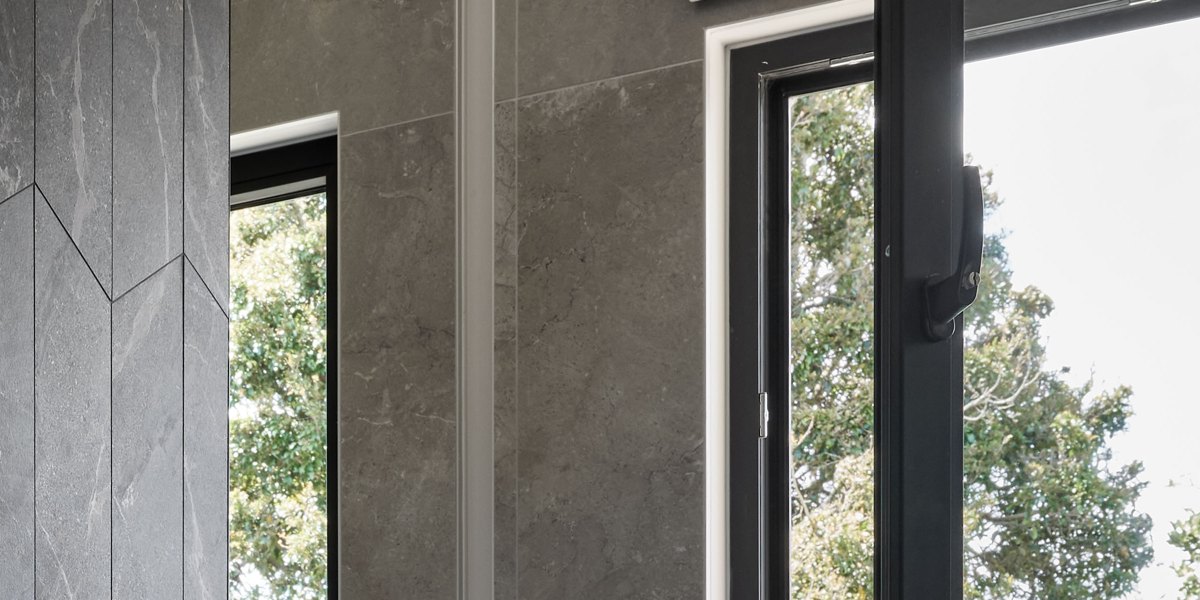
| Looks | Tropical white, aludec metal-look and woodec timber-look finishes. Frames are generally wider. | Slim frames and a wide colour range. |
| End of life | Fully recyclable into new profiles. | Recyclable. |
| Bushfire | Our IDEAL 4000 windows, Smart Slide doors and swing doors: up to and including BAL-40. | Systems are available for a range of BAL ratings, including some for BAL-FZ. |
uPVC figures and claims refer to InFrame's aluplast windows and doors.
Why the frame matters
A window loses heat through its glass and its frame. Double glazing deals with the glass. The frame is where uPVC and aluminium differ most.
Aluminium is a metal and conducts heat readily, so good aluminium windows use a thermal break: an insulating strip that separates the inside and outside of the frame. uPVC doesn't need one, because the material itself is an insulator.
Our tilt and turn windows rate U-value 2.18 with standard clear double glazing and 1.09 with Low-E triple glazing. How to read window ratings.
When each makes sense
Choose uPVC for comfort
If heating bills, draughts, condensation or outside noise are the problem, uPVC with double glazing addresses all four.
Choose uPVC for low upkeep
No repainting or chemical treatments over the life of the window, and a 10-year frame warranty.
Consider aluminium for the slimmest frames
If the narrowest possible sightlines matter most, aluminium frames can be slimmer.
Consider aluminium above BAL-40
Our IDEAL 4000 windows go up to and including BAL-40. Sites rated BAL-FZ need a system rated for flame zone.
Can uPVC look like aluminium?
Yes. Our aludec finishes have a matte, metal-look surface without the gloss of traditional PVC. Monument and Surfmist match the Colorbond steel colours of the same name, and the inside can match the outside or stay white.
Common questions
Which is more energy efficient, uPVC or aluminium?
uPVC. Aluminium conducts heat readily, so aluminium frames need a thermal break to perform well. uPVC is a natural insulator, so the frame itself loses much less heat than an aluminium one.
Does uPVC go yellow in the Australian sun?
Our standard tropical white profile is made for high-UV Australian conditions and holds its colour for years.
Is uPVC more expensive than aluminium?
It depends on the windows, sizes, glass and finish. Every job is quoted individually, so send us your plans or book a site visit for an accurate quote.
Is uPVC environmentally friendly?
uPVC windows last 40+ years, need no paint or stain, and are fully recyclable. PVC windows and doors are listed as preferred building products by Sustainability Victoria.
More answers on our common questions and energy efficiency pages.