Heat through the glass and frame
Warmth passes straight through single glass and metal frames. Double glazing traps an insulating gap between two panes, and uPVC frames conduct far less heat than aluminium.

Energy efficiency and sustainability
Windows are where most homes gain and lose the most heat. Double-glazed uPVC windows cut that loss, lower heating and cooling bills, and last for decades with nothing to paint.
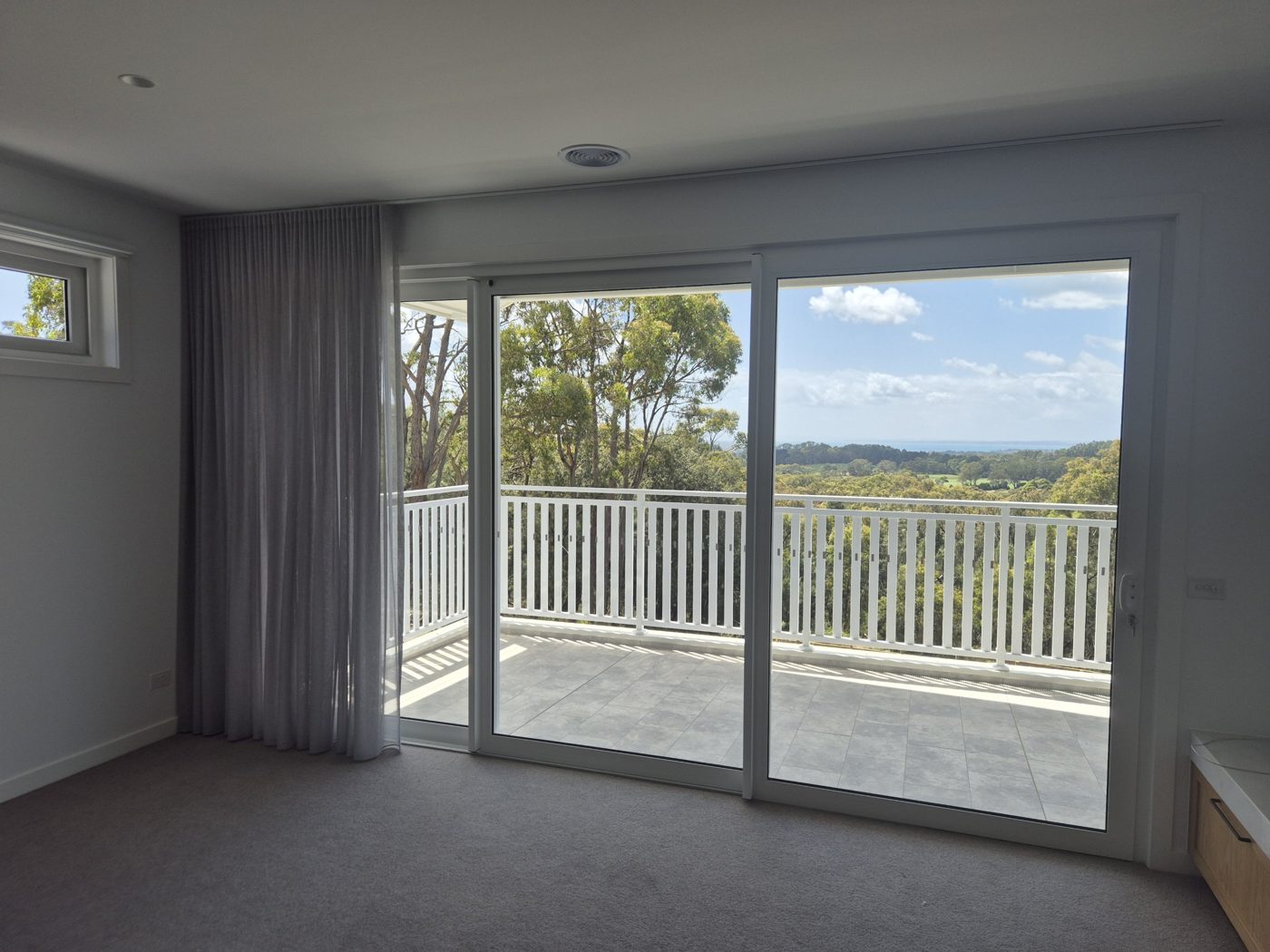
A good window has to deal with all three. Here's what each one is, and how our windows handle it.
Warmth passes straight through single glass and metal frames. Double glazing traps an insulating gap between two panes, and uPVC frames conduct far less heat than aluminium.
Gaps around an opening window let heated or cooled air escape. Our sashes close onto rubber seals on every side, and tilt and turn windows are pulled tight into the frame when locked.
Winter sun is free heating, but summer sun overheats rooms. The right glass lets you choose how much solar heat comes in, depending on which way each window faces.
Every window's performance comes down to two numbers. They apply to the whole window, glass and frame together.
How much heat escapes. Lower is better.
The number that matters most for Melbourne winters. The bigger your heating bill, the more a low U-value saves.
How much of the sun's heat gets in. 0 to 1.
Look for 0.40 or less on west-facing windows and rooms that overheat in summer. Higher can suit north-facing windows that catch winter sun.
IDEAL 4000 series uPVC frames. Baseline is standard clear double glazing. Topline is the best-performing glass option for each window.
| Baseline | Topline | |||
|---|---|---|---|---|
| Window | U-value | SHGC | U-value | SHGC |
| Tilt and turn | 2.184/16/4 clear, WERS ALU-008-007 | 0.40 | 1.09Low-E triple glazed, WERS ALU-009-318 | 0.26 |
| Awning | 2.344/16/4 clear, manufacturer estimate | 0.41 | 1.46Low-E double glazed, WERS ALU-049-004 | 0.18 |
| Fixed | 2.354/12/4 clear, manufacturer estimate | 0.63 | 0.96Low-E triple glazed, WERS ALU-019-315 | 0.34 |
| Smart Slide door | 2.434/16/4 clear, WERS ALU-006-007 | 0.58 | 0.97Low-E triple glazed, WERS ALU-007-316 | 0.38 |
Whole-window figures from the Window Energy Rating Scheme (WERS). U-value in W/m²K. Tinted and other glass options sit between these two points, so ask us for the ratings for your exact specification.
New homes in Victoria with a building permit issued from 1 May 2024 must reach a 7-star NatHERS energy rating. Windows are one of the biggest factors in that rating, and better-performing windows give designers more freedom elsewhere, such as larger glazed areas.
We supply the window performance figures your energy assessor needs and can help compare options before you lock in your window schedule.
A window's footprint isn't just the energy it saves. It's how long it lasts, what it takes to maintain, and what happens at the end of its life.
uPVC doesn't rot, rust or warp, so windows stay in service for decades before they need replacing.
At the end of its life, uPVC can be recycled into new profiles rather than going to landfill.
No repainting or chemical treatments over the life of the window. Just clean the glass.
One of Australia's longest-standing uPVC window manufacturers. Every window is made to measure in our Dandenong South factory, close to the sites we supply.
PVC windows and doors are listed as preferred building products by Sustainability Victoria.
The same double glazing and seals that hold in heat also cut noise from traffic and neighbours.
For most homes, yes. Melbourne's cold winters mean a lot of heat is lost through single-glazed windows, and double glazing cuts that loss significantly. It also reduces summer heat gain, draughts, condensation and outside noise.
uPVC. Aluminium conducts heat readily, so aluminium frames need a thermal break to perform well. uPVC is a natural insulator, so the frame itself loses much less heat than an aluminium one.
Yes. Condensation forms when warm, moist indoor air hits cold glass. With double glazing, the inside pane stays much closer to room temperature, so far less moisture collects on it.
It depends on which way each window faces and how the room is used. We'll recommend glazing for each opening when we prepare your quote, and give you the ratings for each option.